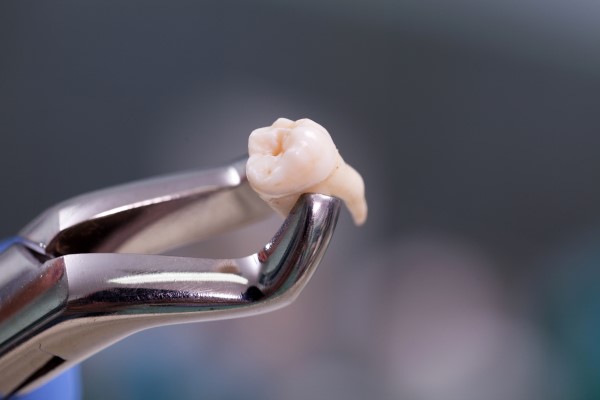
Healing Time Length After a Tooth Extraction
An extraction is usually recommended as a last resort when a tooth is too damaged to be saved. The two main types of extractions performed by dentists are simple and surgical extractions. …
Complications after a tooth extraction are uncommon, but understanding the warning signs helps protect long-term oral health. During healing, problems such as infection, dry socket, or prolonged bleeding can occasionally develop. Knowing what to watch for and when to call a dentist supports a smoother recovery. Below are a few things to watch for after a tooth extraction.
After a removal, a blood clot should form in the socket and remain in place while healing begins. Some light oozing or spotting on gauze is normal for several hours, but heavy bleeding that continues or restarts later in the day needs attention. Patients should avoid vigorous rinsing, spitting, or drinking through a straw, as strong suction can dislodge the clot. If folded gauze and gentle pressure do not slow the flow, prompt guidance from a general, cosmetic, or family dentist is important.
Certain medications, such as blood thinners, may increase the risk of extended bleeding. For this reason, a complete medical history always matters before treatment begins. When bleeding concerns appear, the dental team can recommend specific steps or invite the patient back for evaluation and additional support.
Dry socket occurs when the protective clot dissolves or dislodges too early, exposing the bone and nerves inside the socket. This complication usually appears several days after a tooth extraction and often causes throbbing pain that radiates toward the ear, eye, or jaw. Patients may even notice that over-the-counter (OTC) pain relievers that previously helped may no longer provide relief.
Other signs may include a bad taste, an unpleasant odor, or a visible bone in the socket. Dry socket does not reflect poor healing ability, but it does require professional care. A general, cosmetic, or family dentist can gently clean the site, place a soothing dressing, and recommend a plan for pain control and follow-up visits.
Some swelling and tenderness around the area are expected in the first couple of days. However, infection becomes more likely when swelling persists or worsens, especially when accompanied by fever, worsening pain, or pus. Further, the cheek may feel hard, the jaw may feel stiff, and nearby lymph nodes can become tender. In more serious cases, swallowing or breathing may feel difficult.
Fortunately, early infection often responds well to professional cleaning of the area and, when appropriate, antibiotic therapy. Strong home hygiene habits, gentle rinsing after meals, and careful brushing around neighboring teeth support the healing tissues. If any signs of spreading infection develop, emergency care becomes a priority.
In rare cases, temporary numbness can occur after the removal of lower teeth near major nerves. Tingling or altered sensation in the lip, chin, or tongue usually improves gradually, but patients should report any new or persistent numbness to their general, cosmetic, or family dentist. In the upper back teeth region, communication between the mouth and the sinus can occur, leading to sinus pressure, nasal fluid leakage, or a whistling sensation when breathing. Moreover, bite changes can also arise when nearby teeth shift toward the open space or when swelling alters the way the jaws close.
A dentist evaluates these concerns and recommends adjustments, additional healing time, or future tooth replacement options when needed. Early evaluation prevents small changes from becoming long-term problems.
While most healing periods progress smoothly, understanding potential complications after a tooth extraction makes it easier to respond quickly and calmly. Are you experiencing complications? Contact Robert S. Sykes, DDS right away to schedule an appointment.
Request an appointment here: https://drsykes.com or call Robert S. Sykes, DDS at (770) 873-7241 for an appointment in our Marietta office.
Check out what others are saying about our dental services on Yelp: Tooth Extraction in Marietta, GA.
An extraction is usually recommended as a last resort when a tooth is too damaged to be saved. The two main types of extractions performed by dentists are simple and surgical extractions. …
If you are in need of a tooth extraction, you may be wondering how long it will take to heal from this procedure. Let's discuss the various reasons for having a tooth …
Tooth extractions are sometimes necessary and a tooth sustains damage that hinders the functionality of the tooth. While it is true that adult teeth are designed to be permanent, there are a number of conditions …
A broken tooth can happen at any time — during sports, while eating, or from an unexpected fall. Regardless of the cause, an emergency dentist can help. Through prompt treatment, these dental …
If you are considering crowns, then check out this article and determine which dental crown…
General dentists' recommendations for at-home care emphasize consistency, gentle technique, and daily cleaning between teeth.
Tooth sealants are essential for protecting natural teeth from decay and damage.
A dental bridge replaces one or more missing teeth by anchoring a lifelike “pontic” to…
Tooth implants have become a popular replacement option for individuals with missing teeth.
A denture repair is needed when a set of dentures becomes damaged.